

Cultural Tour · Al Dakhiliyah, Oman

Old Al Hamra
Heritage Tour

Discover Oman’s best-preserved mountain village on a relaxed private walking day with Ali, your local guide from Al Hamra, exploring 400-year-old mud-brick houses, ancient aflaj channels, date groves, and nearby Misfat Al Abriyeen.

  • 2 – 6 hours, fully flexible
  • Easy — flat village walking
  • Private group · Local guide Ali

Al Hamra, the gateway to the Hajar Mountains

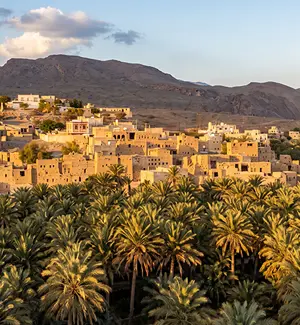
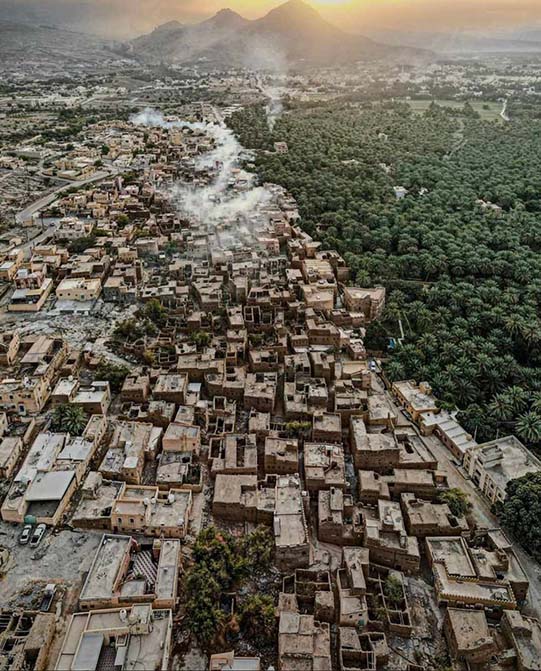
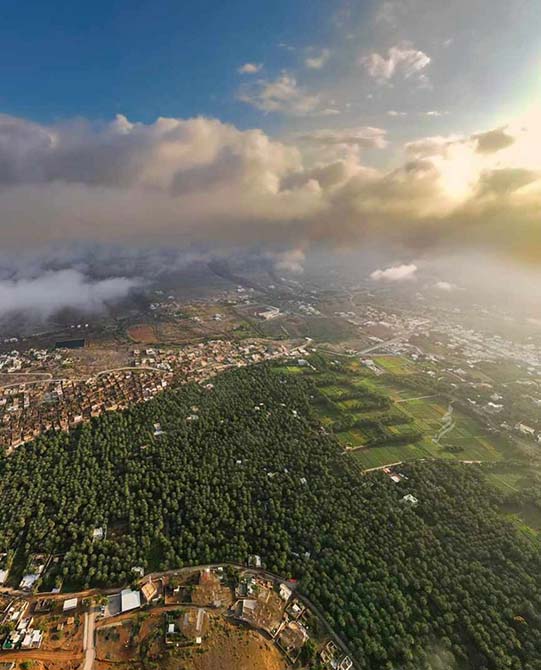
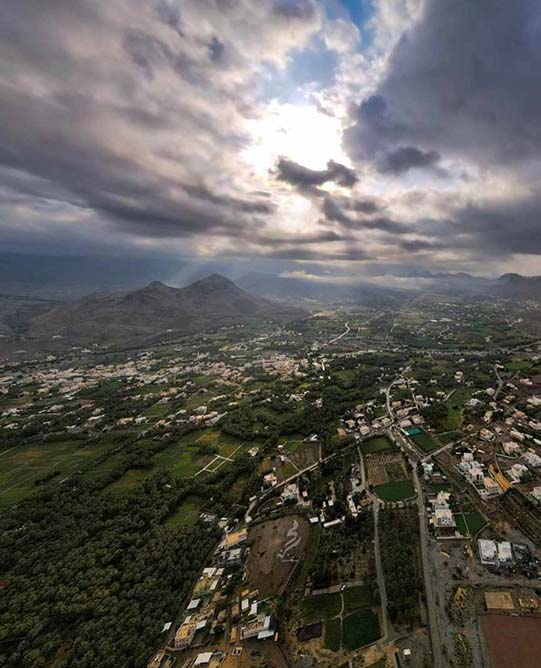
Al Hamra is one of the oldest and highest villages in the Arabian Peninsula. Sitting at roughly 900 m above sea level in the Al Dakhiliyah Governorate, its streets are lined with 400-year-old mud-brick houses — most still standing, many still lived in — surrounded by lush date-palm groves that have been watered for centuries by the same aflaj irrigation channels. The aflaj system itself is on the UNESCO World Heritage list, an ancient network of underground channels that once made mountain agriculture possible and continues to flow through the village today.

For Ali — and for most visitors — Al Hamra is also the gateway to Jabal Shams and Wadi Ghul. The same town that opens up a quiet walking morning among old houses and date groves also leads, less than two hours later, to the burning rim of the Grand Canyon of Oman. With a local guide, you can put both sides of the mountain into one trip — culture in the morning, canyon views in the afternoon.

What to expect on the Old Al Hamra Heritage Tour

  • Private guided walk through Old Al Hamra's 400-year-old mud-brick quarter
  • Visit to the working aflaj irrigation channels that still water the date-palm groves
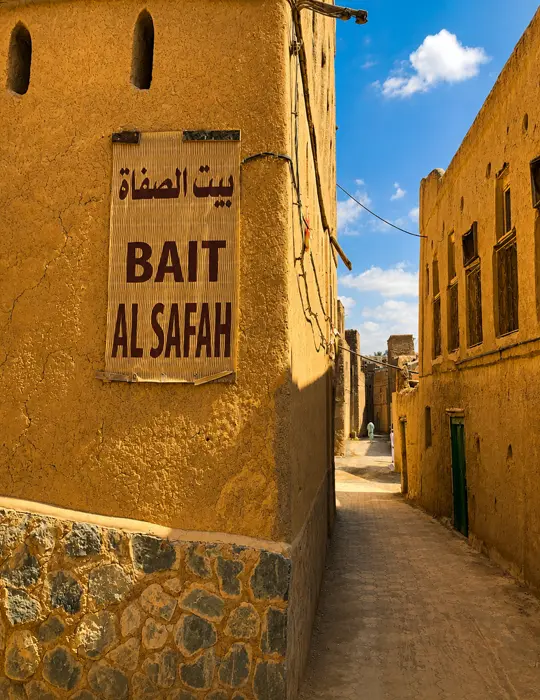
  • Inside look at Bait Al Safah, the living heritage museum, with traditional Omani crafts, bread and coffee
  • Optional visit to nearby Misfat Al Abriyeen, the terraced cliffside village with 300 years of agricultural history
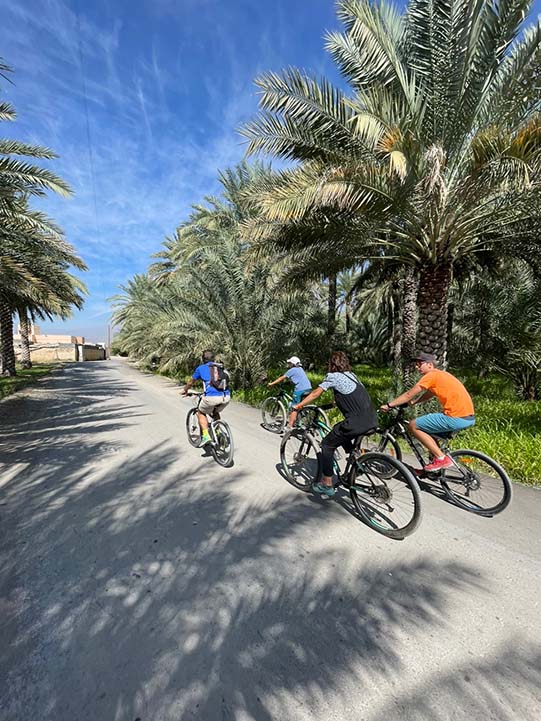
  • Slow, flexible village walking — easy terrain that suits all ages and fitness levels
  • Local insight into Omani mountain life, family homes, falaj water-rights and the cultural traditions of the Hajar Mountains

Who the Old Al Hamra Heritage Tour is for

This is for travellers who want to understand Oman — not just see it. Couples, solo travellers, families with children, photographers and anyone interested in mud-brick architecture, mountain farming and living heritage will enjoy Old Al Hamra. The walking is gentle and shaded, the pace is fully flexible, and the route can be shortened for younger children or extended and combined with Misfat Al Abriyeen for a fuller day. It also pairs naturally with the Jabal Shams Balcony Walk or the Wadi Ghul & Wadi Al Nakhr Adventure.

baith al safah start point
Illustration of Ali welcoming guests with open arms

Spend a day in Old Al Hamra with Ali and discover Omani mountain culture, from the falaj channels to the date groves, with a local guide who knows every lane.

Drinks & Snacks upon request

Food and beverages can be arranged upon request for guests participating in the Jabal Shams Balcony Walk. Local Omani meals, breakfast, refreshments, and food delivery options are available with prior notice. Please contact us in advance to discuss your requirements.

Heritage Highlights & Tour Options

Build your perfect day in Al Hamra and the Hajar Mountains

Old Al Hamra — the 400-year-old mud-brick quarter
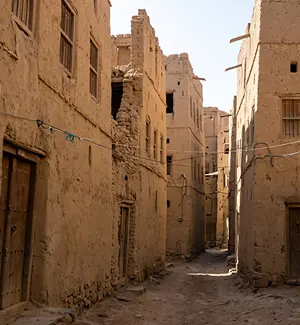
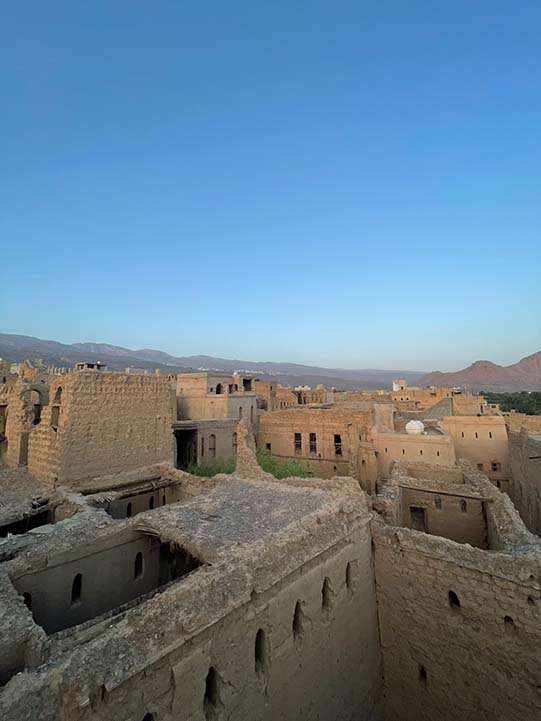
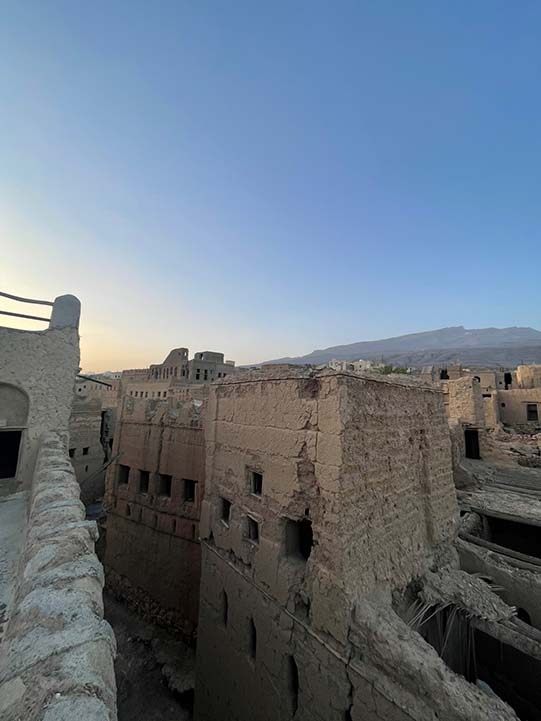
Towering mud-brick houses of Old Al Hamra lined up along a narrow lane
  1. Step back 400 years

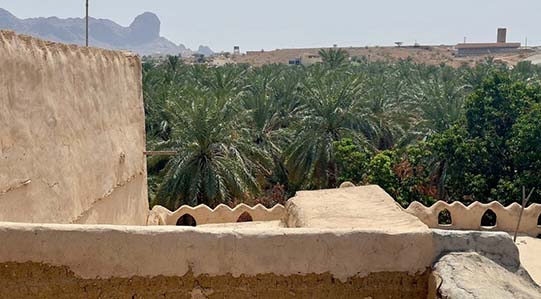
    The old quarter of Al Hamra is one of the best-preserved examples of traditional Omani mountain architecture in the country. Two- and three-storey mud-brick houses line narrow shaded lanes, many still lived in, with carved wooden doors, lattice windows and the distinctive crenellated roofs that have marked the village for centuries. Ali walks you through the lane layout, the family compounds and the small shops that keep the quarter alive.

  2. Best for

    Architecture lovers, photographers, families and travellers who want a relaxed, on-the-ground introduction to Oman. The walking is flat, shaded and easy to pace.
Aflaj Irrigation — UNESCO World Heritage

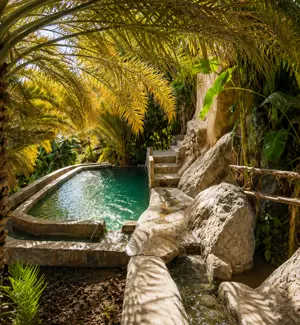
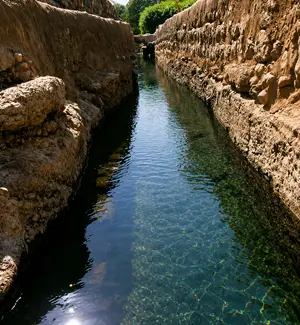
Aflaj irrigation channel running between date palms in Old Al Hamra, Oman
  1. Ancient water, still flowing

    The Aflaj Irrigation Systems of Oman were inscribed on the UNESCO World Heritage list as part of a five-component property representing the country's ancient water-sharing tradition. In Al Hamra, the channels run openly through the date groves, with water distributed by ancient time-share rules maintained by the village to this day. Ali explains how the falaj are built, how the rights are passed down, and why the system has kept these mountains green for more than a thousand years.

  2. Best for

    Anyone interested in heritage, sustainability, oasis agriculture and the unusual side of Omani culture that tourists often miss. A powerful counterpoint to the canyon days.

Bait Al Safah — a living heritage museum

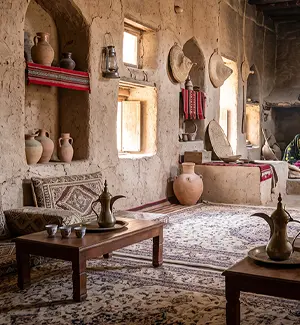
Inside Bait Al Safah heritage house museum in Al Hamra with traditional furnishings
  1. Hands-on Omani culture

    Bait Al Safah is a restored house museum in the old quarter where local women run live demonstrations of traditional Omani life: grinding wheat, baking bread over a saj, weaving, henna and pouring cardamom coffee. It's the most authentic cultural experience in Al Hamra and the easiest way to meet village residents in a relaxed, family setting.

  2. Best for

    Travellers who want connection, not just sightseeing — families with children in particular love the hands-on stations. Ali builds the visit into the day so it fits your pace and your energy.

Misfat Al Abriyeen — the terraced cliffside village

Terraced gardens and mud-brick houses of Misfat Al Abriyeen in the Hajar Mountains
  1. A second mountain village

    Misfat Al Abriyeen (also written Misfah al-Abriyyin) is over 400 years old and sits in the same Al Hamra wilayah, less than an hour from the main village. Its terraced gardens, working falaj springs, narrow lanes and old mud houses give the tour a second, contrasting chapter. Often paired with Old Al Hamra for a full cultural day.

  2. Best for

    Photographers and anyone who wants to see how Omani mountain villages adapt to the cliffs they are built on. Includes the option to stop at a rooftop café in Misfah for tea with views across the wadi.

Practical Information for visiting Old Al Hamra

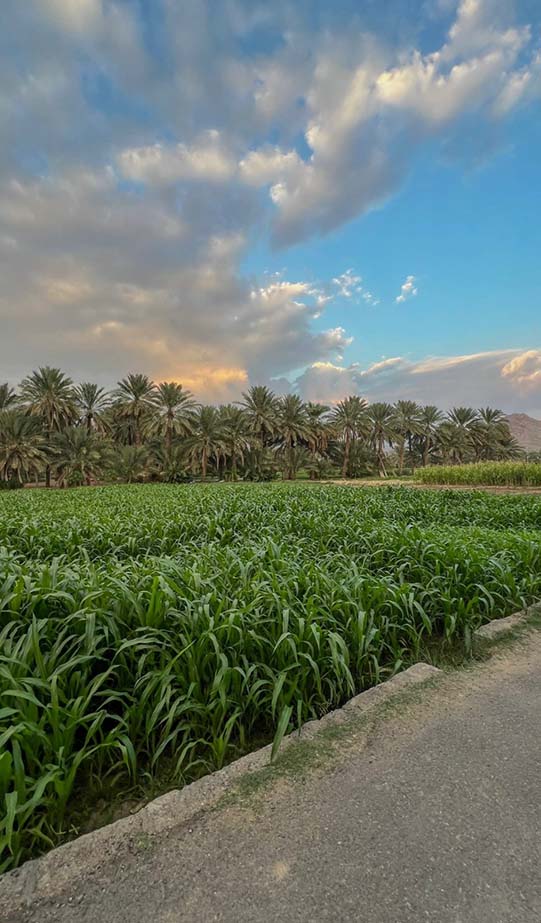
Late afternoon light over Old Al Hamra and the date-palm groves
  1. Where & how to get there

    Al Hamra lies in the Al Dakhiliyah Governorate, about 40 km north of Nizwa and roughly 2 hours from Muscat. The road is paved all the way to the village, so a 4WD is unnecessary just to reach Al Hamra — though it is still required for any onward trips up to the Jabal Shams or Wadi Ghul canyon rim. Ali can arrange pick-up from Nizwa, Muscat or any hotel in the area.

  2. Best season & preparation

    Because Old Al Hamra sits at around 900 m, the air is noticeably cooler than in Nizwa or Muscat, and the village is visitable all year round. Comfortable walking shoes, sun protection and a light layer for cooler winter mornings are all you need. The heritage quarter is shaded and easy terrain — no special fitness level required.

Frequently Asked Questions.

Al Hamra is famous for its 400-year-old mud-brick quarter — one of the best-preserved traditional mountain villages in Oman — and for the aflaj irrigation channels that still water its date-palm groves. The aflaj system itself is on the UNESCO World Heritage List.

Al Hamra is the last major town before the Jabal Shams canyon rim. It is roughly 68 km to the upper trailheads (about a 2-hour drive via the mountain road), with the canyon- rim viewpoints roughly 1 to 1.5 hours above the village once you're on the mountain road.

Al Hamra sits about 40 km north of Nizwa and roughly 2 hours west of Muscat, making it an easy day trip from either city. Pick-up and drop-off can be arranged as part of the tour.

Bait Al Safah is a living heritage museum inside a restored house in Old Al Hamra, where local women run traditional craft and cooking demonstrations — bread, coffee, weaving and henna — in a relaxed, family-friendly setting.

It can be. Misfat Al Abriyeen sits less than an hour from Old Al Hamra and pairs naturally with it for a full cultural day. Tell Ali when booking and he will include it, or keep it as a relaxed morning instead if you prefer.

Yes — Old Al Hamra is flat, shaded village walking with no special fitness requirement. The pace is set entirely to your group, and the route is easy to shorten or extend for young children or older travellers.

No — the road to Al Hamra itself is paved and a normal car will reach the village. A 4WD only becomes necessary when you continue up to the Jabal Shams canyon rim or into the upper wadis, and Ali provides 4x4 transport for those extensions.

Yes — the Old Al Hamra Heritage Tour is 100% private, run at the pace of your group alone.

Send a WhatsApp message or use the booking form on this page with your dates, group size and how long you'd like the day to be (a quick 2-hour walk, a full cultural day, or the Al Hamra + Jabal Shams combination). Ali will reply the same day with a plan, pick-up options and pricing.

Still have a Question?